
John Lewis and his lessons for nonprofits

John Lewis and his lessons for nonprofits

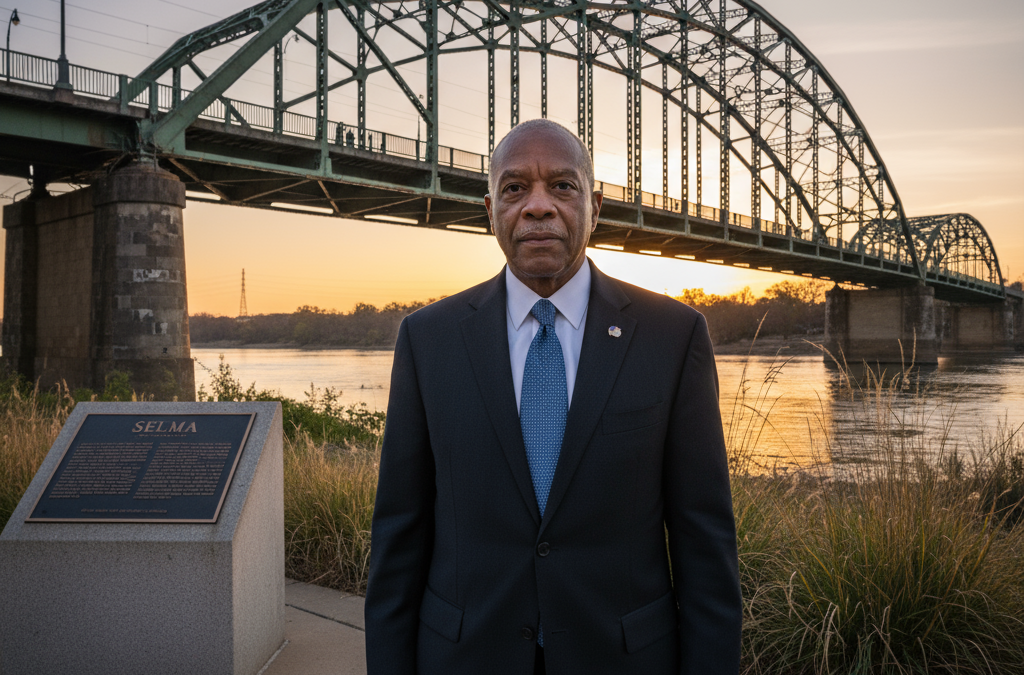
If ever there was an example of how to benefit a cause, how to live a mission, John Lewis lived it. As I listened to the tributes at his funeral, I thought, that’s who all of us in the social sectors want to be. John Lewis lived a life of purpose, a life with meaning. He was willing to risk everything, including his life, to “do good. “ His mission was helping to create an America where there was real equality for all, regardless of color or economic status. His mission was a country that lived love and respect for all. Our missions may have narrower foci, but his lessons are there for all of us.

First, he knew the brutal facts of opposition to his mission, and in his case ‘brutal’ was a literal fact. He faced brutality with compassion, caring, and “good trouble.” We must follow his lead, we must live his legacy.

Let our goals be deep meaning over great profits. Let us pour our resources: our time, our talents, our dollars into causes that we are passionate about, that benefit others, that collectively we can do better that anyone else.

Let us practice the nobility of service rather than personal gain, as John Lewis did. Let us confront our brutal facts with tenacity, courage and grace, as he did.

Let us stay focused on the core of our mission, putting achieving the mission’s goals above our personal achievement.

Let us live and work in ways that leave the world a better place. Let us leave the next generation the tools and inspiration needed to continue making “good trouble” until the mission is complete. John Lewis did.

Thank you, Senator Lewis, for showing us and the world a kind, a caring, a peaceful way to “do good.”
Education or Experience – which has greater value to your organization?

Education or Experience – which has greater value to your organization?

Education or Experience – which has greater value?

As with most things in life, the answer is – It depends.

Let me give you three examples from my experience:

  1. I was a brand new teacher – well-trained in all the latest pedagogy, filled with facts, and brimming with knowledge about child development. A mom from my classroom came to me concerned about her son. I smiled. I listened. I did my best to make her feel heard, but I’m ashamed to admit I sat there thinking, “Where did YOU get your degree in education? Which of us has studied Erik Fromm, Maslow, Montessori, and Howard Gardner? My youthful ignorance made her dear son struggle longer than he needed to.

Then I had my own kids and learned about the wisdom that can only come from experience. A parent may not have read the manuals, but they know their child. Ahhh, the value of experience!

2. Each of us has natural talents, and everyone wins if an organization makes use of each person’s gifts. I saw that as a teacher. I also saw it at each organization I served. One example happened as Duke University. I was the first full-time Development Officer for the Lemur Center, and we had enough success marketing and raising funds that we needed to add staff. While we received many applications with the right education, there was an Animal Technician I had noticed. She had just the natural gifts we needed. She was smart. She was confident. She was comfortable with all kinds of people, and she had a knack for listening, connecting, and building relationships – just the skills we needed. We hired her and she was amazing! She took over my position when I moved on, and she kept moving up. Several organizations have benefitted from her use of her natural gifts – and of course now she has taken classes, too, to fill in any gaps.

3. As important as education is, matching a person’s skill set – those skills needed to do the job is more so. When I was hired as the Foundation Director at Penick Village, an assistant was already in place. She was willing and hardworking, but her skill set didn’t match the position. I chatted with her, and found out that she had never wanted that position. She had applied to be on the Activities Staff. She wanted to work directly with the residents and here she was doing her best to input data and run reports. It wasn’t the right match. As soon as a position on the Activities Staff became available, we moved her. She didn’t have a degree in Social Work or Occupational Therapy, or anything related, but she had the heart and the desire and the natural gifts to connect and relate and innovate. She and the residents were thrilled. She was a natural!

So I guess the answer to the question, which has greater value – education or experience is that the right education helps, but look for experience, natural talent and matching skill sets, and both your employees and your organization will thrive.